The Role of Wall Lighting in Shaping Interior Atmosphere
Wall lighting is often overlooked in favor of ceiling fixtures and table lamps, yet it has a profound influence on how interiors are perceived. Mounted at eye level, wall lights interact directly with architecture, highlighting surfaces and creating layers that transform a room’s character.
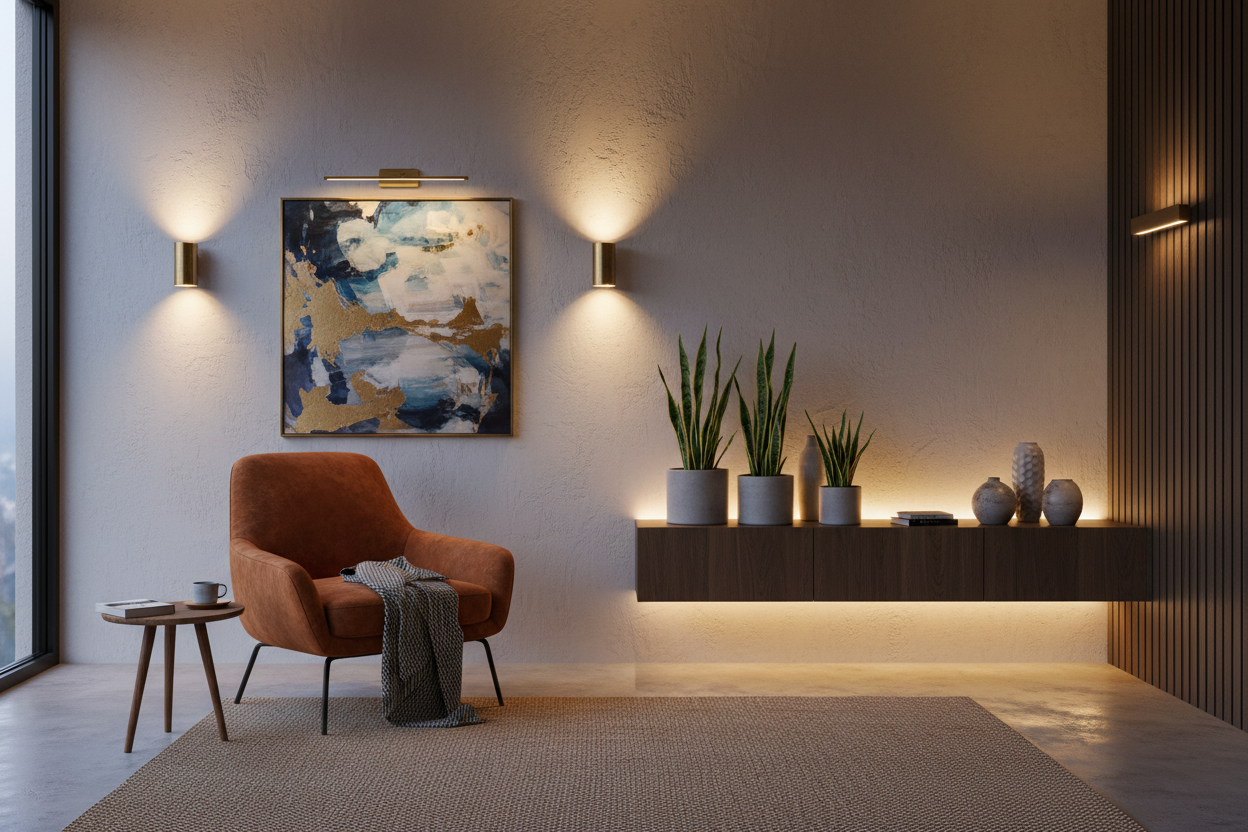
Unlike overhead lighting, wall lights distribute illumination across vertical planes. This softens shadows and reduces harsh contrasts, making spaces appear more balanced. In living rooms, wall lights frame seating areas and artwork, drawing attention to details that might otherwise fade into the background. In hallways, they guide movement while preventing the space from feeling narrow or closed.
Placement determines impact. Wall lights installed in pairs bring symmetry and structure, especially when flanking mirrors, shelves, or doorways. Asymmetrical arrangements, on the other hand, introduce a more relaxed visual flow. Both approaches work when aligned with the room’s proportions and purpose.
Wall lighting also plays a role in defining zones. In open interiors, a set of wall lights can signal the transition from one area to another without physical dividers. This technique maintains openness while giving each zone its own identity. Dining areas, reading corners, and entryways all benefit from this subtle separation.
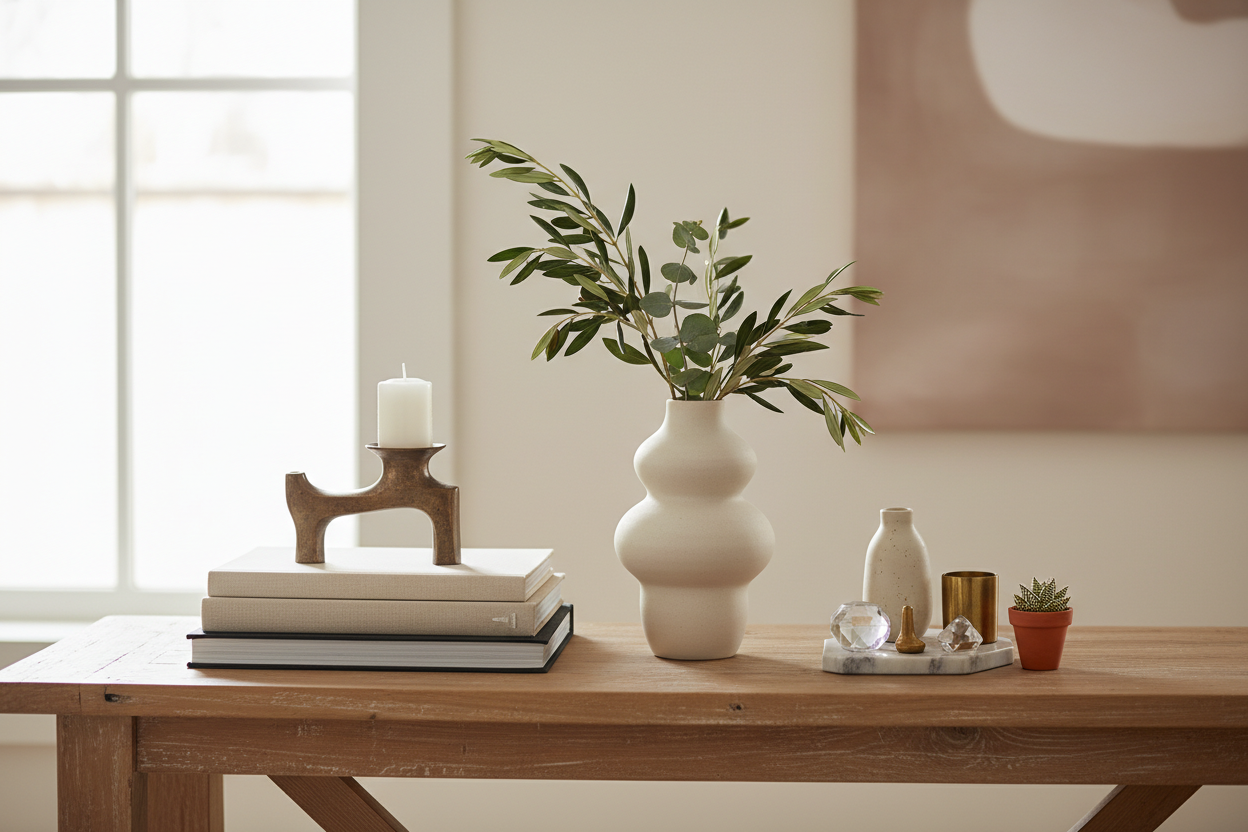
The interaction between wall lights and decorative objects is especially powerful. Vases placed beneath wall lights gain depth as shadows outline their contours. Candle holders positioned nearby reflect light softly, enhancing texture and form. Even when the lights are switched off, their presence adds architectural interest to the wall itself.
Material and finish influence how wall lights contribute to the atmosphere. Matte surfaces absorb light, creating a restrained effect, while reflective finishes bounce illumination outward. Glass diffusers soften brightness, while open designs emphasize directional light. These choices shape whether a space feels intimate, dramatic, or structured.
Wall lighting is not merely functional. It shapes perception, enhances décor, and supports the overall rhythm of an interior. When used thoughtfully, it becomes an architectural element that elevates space through light, shadow, and intentional design.